

xEV Technician Electrical Safety Certification (Level 2) Free Sample Questions

12 free sample questions146 in the full practice test

Try simulator

XEV-2 Sample Questions

  1. Question 1

    Beginner

    SECTION A – PURPOSE AND DEFINITIONS · Purpose

    According to ASE standards and FMVSS 305, what are the precise working voltage thresholds that classify an electrified propulsion vehicle (xEV) electrical system as a high-voltage source?

    Answer and explanation

    Correct answer: A

    FMVSS 305 and ASE standards define high voltage as alternating voltages >30 V AC rms and direct voltages >60 V DC. OSHA uses 50 V for general industry, but the automotive vehicle standard is 30 V AC / 60 V DC.
  2. Question 2

    IntermediateMultiple answers

    SECTION A – PURPOSE AND DEFINITIONS · Purpose

    Which THREE vehicle components are directly energized by high voltage and capable of carrying hazardous currents in an electrified propulsion vehicle? (Select THREE)

    Answer and explanation

    Correct answers: A, D, F

    Electric cabin/coolant heaters draw direct high-voltage power to provide passenger compartment heat.

    The inverter power electronics convert high-voltage DC to three-phase AC for traction motor operation.

    Electric A/C compressors in xEVs run on high-voltage DC/AC bus power to operate when the engine is off.

  3. Question 3

    Intermediate

    SECTION A – PURPOSE AND DEFINITIONS · LEVEL TWO – High-Voltage Vehicle Technician

    Which repair task falls strictly within the authorized scope of work for an ASE certified Level 2 High-Voltage Vehicle Technician?

    Answer and explanation

    Correct answer: C

    Level 2 technicians isolate, secure, and service external de-energized HV components. Opening battery packs to perform internal module repairs or live work is strictly reserved for Level 3 technicians.

  4. Question 4

    Beginner

    SECTION A – PURPOSE AND DEFINITIONS · LEVEL TWO – High-Voltage Vehicle Technician

    True or False: An ASE certified Level 2 High-Voltage Vehicle Technician is authorized to perform live work inside the enclosure of an energized high-voltage battery pack.

    Answer and explanation

    Correct answer: B

    False. Level 2 work is strictly limited to de-energized vehicle systems external to the battery pack. Live work and repairs inside the battery pack require Level 3 certification.

  5. Question 5

    Intermediate

    SECTION B – GENERAL REQUIREMENTS FOR ELECTRICAL SAFETY-RELATED WORK PRACTICES · Aiding Persons Subjected to High Voltage

    While in an electric vehicle repair bay, a service technician observes a colleague undergoing an active electrical shock with hands frozen to an energized high-voltage terminal. What is the mandatory immediate response protocol?

    Answer and explanation

    Correct answer: B

    Never touch an active shock victim directly. The rescuer must immediately call 911, disconnect the power source, and separate the victim using non-conductive equipment like an insulated hook.

  6. Question 6

    Intermediate

    SECTION B – GENERAL REQUIREMENTS FOR ELECTRICAL SAFETY-RELATED WORK PRACTICES · Insulated Retrieval Hook

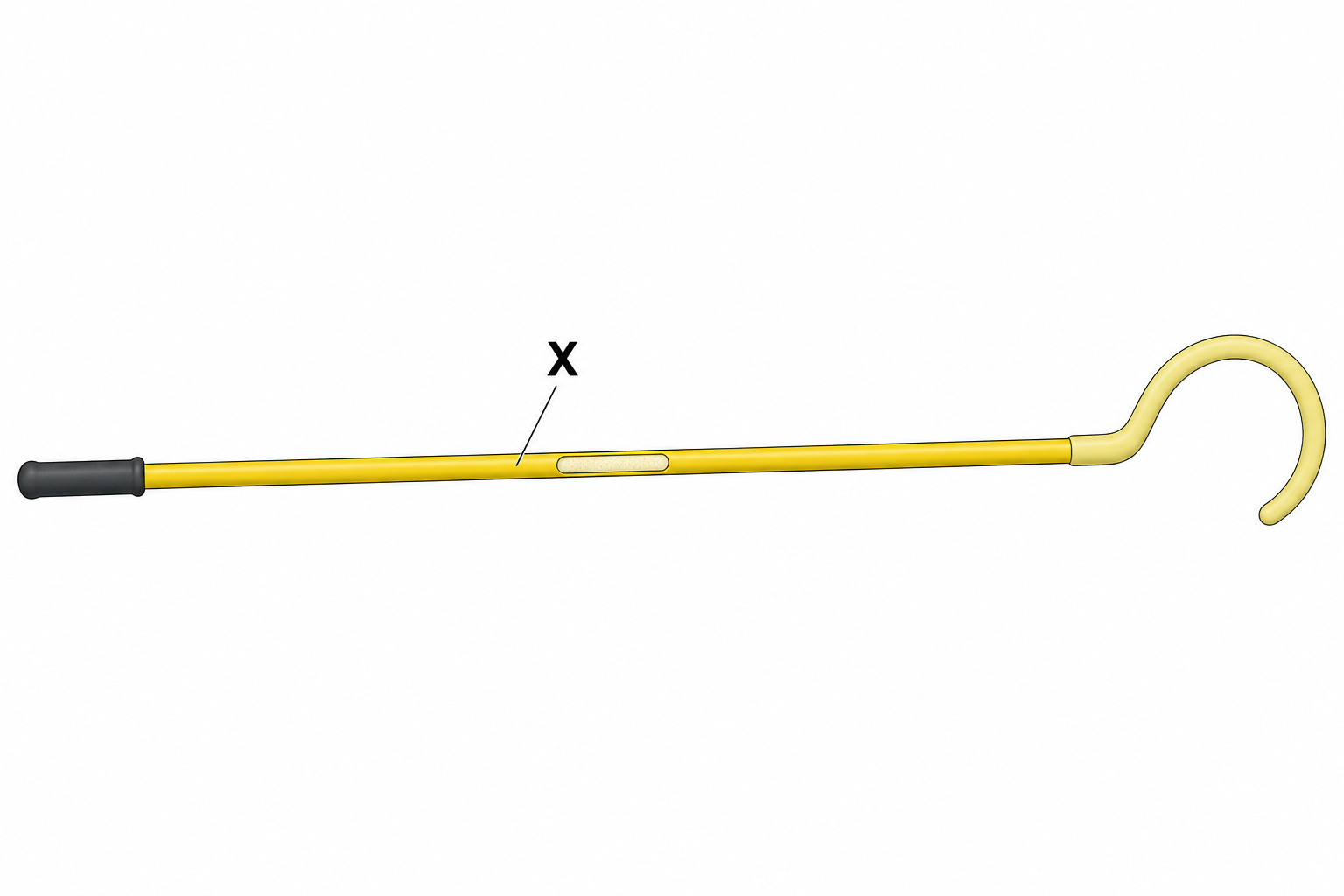
    In the provided figure of an insulated retrieval hook, the foam-filled fiberglass pole is labeled X. In accordance with OSHA 1910.269(j)(2)(iii), how often must this live-line safety tool be removed from service for examination, cleaning, and testing?

    Question 6 image
    Answer and explanation

    Correct answer: C

    OSHA 1910.269(j)(2)(iii) requires live-line tools used for primary employee protection to be removed from service every 2 years for examination, cleaning, repair, and testing. Gloves require 6-month testing.

Register free for 6 more questions

Or unlock all 146 XEV-2 questions with explanations, timed mode and flashcards.