


Master the CISSP Practice Exam for Guaranteed Success
Nearly 80 percent of American CISSP candidates miss critical questions due to inadequate practice exam preparation. As the stakes rise for cybersecurity professionals seeking certification in 2025, building a foolproof study routine is more important than ever. This guide delivers practical strategies and expert tips to help you set up an effective exam environment, find verified CISSP resources, and maximize your chances of passing on your first attempt.
Quick Summary
| Key Point | Explanation |
|---|---|
| 1. Create a Distraction-Free Study Space | Select a quiet area with minimal interruptions to enhance focus and simulate exam conditions. |
| 2. Use Verified Study Materials | Invest in official and high-quality resources that accurately align with CISSP exam standards. |
| 3. Practice Under Timed Conditions | Complete practice tests within allocated time limits to build mental stamina and test-taking skills. |
| 4. Analyze Performance and Identify Gaps | Regularly track test scores to discover weak areas and adjust study plans accordingly. |
| 5. Engage with Community Resources | Join study groups or forums to gain diverse insights and improve understanding of complex topics. |
Step 1: Set Up Your CISSP Practice Exam Environment
Prepping for your CISSP certification requires a strategic and focused approach to creating an ideal study environment. Your goal is to design a space that maximizes concentration and simulates real exam conditions while providing comprehensive preparation.
Begin by selecting a quiet area with minimal distractions where you can consistently study and take practice tests. This space should have a reliable computer or laptop with stable internet connection, comfortable seating, and good lighting. Ensure your workspace mimics actual exam conditions by removing potential interruptions such as phones, unnecessary electronic devices, and background noise. Consider using noise-canceling headphones if needed.
Organize your study materials systematically. This includes downloading official ISC2 study guides, practice question banks, and digital resources. Set up your computer with necessary tools like a calculator, scratch paper, and a timer that matches official exam timing. Schedule regular practice sessions and track your progress using performance metrics to identify areas requiring additional focus.
Pro tip: Create a dedicated digital folder with all CISSP exam materials and practice resources to maintain organization and quick access during your study sessions.
Step 2: Select Verified CISSP Practice Exam Resources
Successfully preparing for the CISSP exam requires selecting high quality study materials that align precisely with official exam standards. Your primary goal is to invest in verified resources that comprehensively cover the exam domains and provide authentic preparation experiences.
Focus on obtaining official certification preparation materials directly from ISC2 and authorized training providers. These resources should include comprehensive study guides, practice test question banks, and interactive learning tools that mirror the actual exam format. Look for materials that specifically address the eight CISSP domains and offer detailed explanations for both correct and incorrect answers. Prioritize resources that provide practice questions with difficulty levels matching the actual certification exam and include comprehensive performance tracking mechanisms.
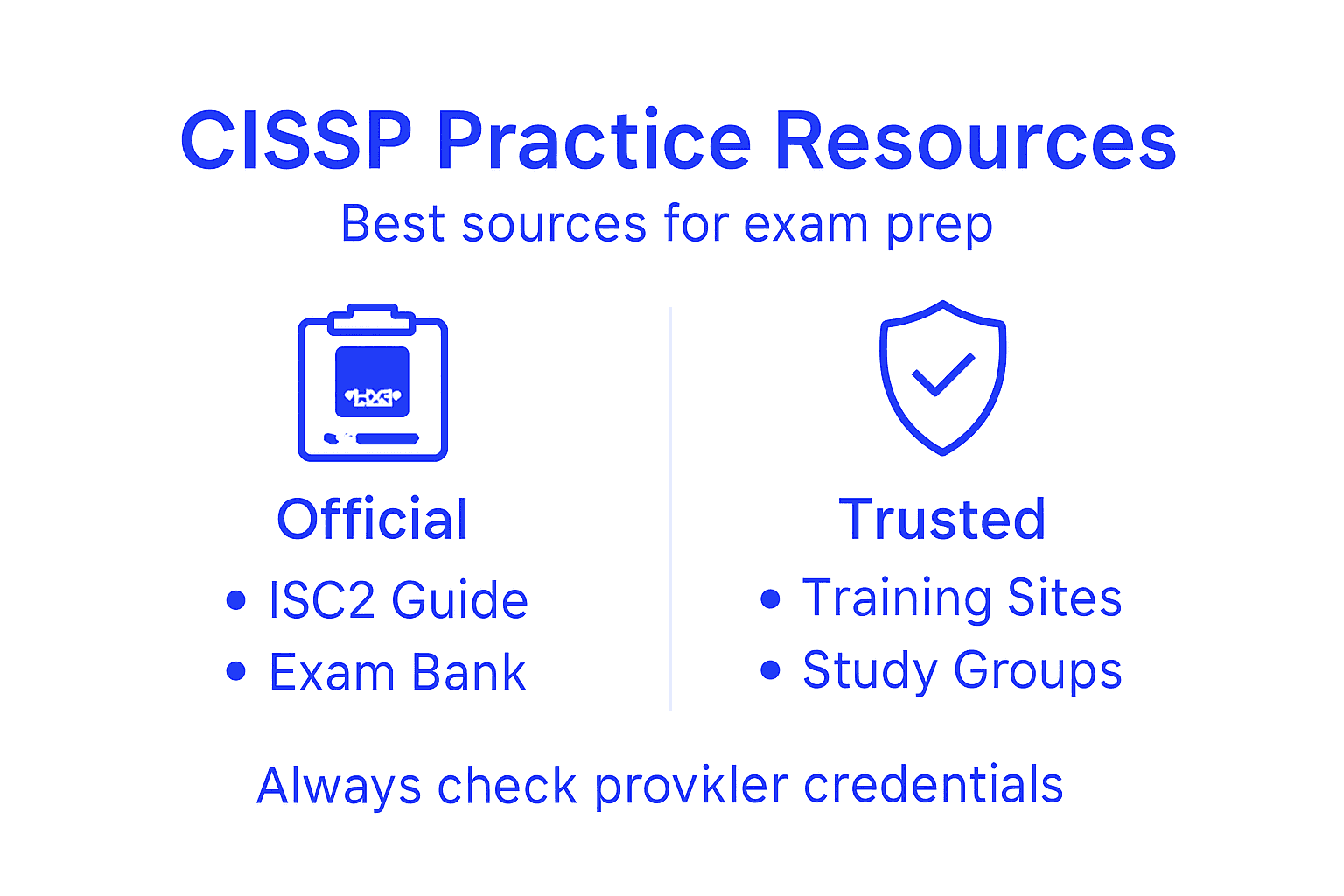
When evaluating practice resources, verify their authenticity by checking credentials from recognized cybersecurity training platforms. Seek out materials that offer updated content reflecting the most recent CISSP exam requirements and include digital resources like online practice tests, mobile study applications, and searchable glossaries. Cross reference multiple reputable sources to ensure you are getting the most comprehensive and current study materials available.
Pro tip: Invest in a combination of official ISC2 materials and supplemental resources from recognized cybersecurity training providers to create a well rounded study strategy.
Step 3: Simulate Real Exam Conditions With Timed Practice Tests
Successfully preparing for the CISSP certification demands more than just knowing the material you must also develop the mental stamina and test taking strategies required to perform under time constraints. Simulating actual exam conditions is crucial for building confidence and improving your overall performance.
Begin by selecting practice tests that accurately reflect the official exam format and timing. These tests should be structured to match the actual 3-hour CISSP exam duration, with questions distributed across the eight cybersecurity domains. Configure your practice environment to mirror real exam conditions by eliminating distractions, using a similar computer setup, and strictly adhering to the allocated time limits. Practice maintaining focus and managing your time efficiently by developing a strategic approach to answering questions quickly and accurately.
As you complete practice tests, carefully analyze your performance metrics. Track your time spent on each domain, identify areas where you consistently struggle, and develop targeted study strategies to improve your weak points. Use performance tracking tools to monitor your progress, noting improvement trends and adjusting your study plan accordingly. Remember that consistent practice under simulated exam conditions will help you build the mental resilience and test taking skills necessary for success.
Pro tip: Create a detailed error log for each practice test, documenting missed questions and their corresponding domains to systematically address knowledge gaps.
Step 4: Analyze Results and Identify Knowledge Gaps
Mastering the CISSP certification requires a strategic approach to understanding your current knowledge level and systematically addressing areas of weakness. Your success depends on transforming practice test results into actionable insights that guide your study strategy.
Utilize comprehensive practice exam analysis tools to break down your performance across the eight CISSP domains. Pay close attention to your score distribution, identifying domains where you consistently score below your target percentage. Create a detailed tracking spreadsheet that maps your performance metrics, showing progress over time and highlighting specific topics within each domain that require additional study. Develop a targeted study plan that allocates more time and resources to your weakest areas while maintaining your strengths.
Each practice test provides a valuable opportunity for deep learning. Review not just the questions you missed, but also understand the underlying concepts and reasoning behind both correct and incorrect answers. Analyze patterns in your mistakes to uncover systematic knowledge gaps or test taking strategies that need improvement. Consider forming a study group or seeking additional resources such as online forums or expert guided review sessions to gain deeper insights into challenging topics.
Pro tip: Create a color coded knowledge map that visually represents your proficiency across different domains, helping you quickly identify and prioritize study areas.
Step 5: Engage With Community Support and Review Explanations
Successfully preparing for the CISSP certification requires more than individual study it demands active engagement with a supportive learning community. Your goal is to leverage collective knowledge and insights to enhance your understanding and exam readiness.
Dive into collaborative learning strategies by joining online forums, professional cybersecurity groups, and CISSP study communities. Participate actively in discussion boards, webinars, and study groups where you can ask questions, share insights, and gain perspectives from professionals who have already passed the exam. Focus on reviewing detailed explanations for practice questions, paying special attention to the reasoning behind both correct and incorrect answers. This approach helps you understand not just the what but the why of complex cybersecurity concepts.
Establish a systematic approach to community learning by taking notes during discussions, tracking challenging concepts, and creating a personal knowledge repository. Seek out mentors or study partners who can provide targeted guidance and help you navigate complex topics. Remember that each interaction is an opportunity to deepen your understanding and fill knowledge gaps that self study alone might miss.
Pro tip: Schedule regular virtual meetups with study group members to discuss challenging concepts and simulate collaborative problem solving scenarios.
Comparison of individual vs. community study strategies for CISSP:
| Study Strategy | Key Advantage | Potential Limitation | Best Use Case |
|---|---|---|---|
| Individual Study | Personalized pacing | Limited perspectives | Early foundational learning |
| Community Engagement | Diverse insights | Requires scheduling | Advanced topic discussion |
Step 6: Refine Your Study Plan Based on Performance
Successfully preparing for the CISSP certification requires an adaptive and dynamic approach to learning. Your study strategy must evolve continuously based on your performance insights, ensuring targeted and efficient preparation.
Leverage adaptive learning platforms that provide comprehensive performance analytics. Create a detailed tracking system that maps your progress across the eight CISSP domains, identifying specific subtopics where your knowledge requires improvement. Analyze your practice test results systematically by calculating your performance percentage in each domain and comparing it against the exam weightings. Use this data to redistribute your study time more strategically allocating more hours to domains and topics where your performance consistently falls below your target score.
Develop a flexible study approach that allows for real time adjustments. Schedule weekly or biweekly review sessions where you critically assess your learning progress, update your study materials, and recalibrate your preparation strategy. Implement a scoring system that helps you track incremental improvements and maintain motivation. Consider using color coded tracking methods to visually represent your progress and quickly identify areas requiring additional focus.
Pro tip: Create a dynamic study spreadsheet with automatic performance tracking and visual progress indicators to maintain a clear and motivating view of your exam preparation journey.
Here’s a summary of essential CISSP exam preparation tools and their benefits:
| Tool/Resource | Purpose | Benefit to Learner |
|---|---|---|
| Official Study Guide | Structured content coverage | Ensures aligned learning |
| Practice Test Bank | Exam simulation | Builds familiarity & stamina |
| Digital Timer | Time management | Improves pacing skills |
| Error Log Spreadsheet | Mistake tracking | Identifies persistent gaps |
| Community Forum | Collaborative learning | Deepens understanding |
| Adaptive Platform | Real-time analytics | Guides focused revisions |
Elevate Your CISSP Exam Preparation with Proven Practice Tests and Real Exam Questions
Preparing for the CISSP certification can feel overwhelming with so many domains to master and strict time constraints to manage. This article highlights key challenges such as simulating real exam conditions, identifying knowledge gaps, and leveraging community insights to maximize your chance of success. If you want to go beyond theory and practice like a pro with verified real questions and exam simulations that mirror the official CISSP exam, PlanetCert.com offers the exact tools you need. From adaptive practice tests to detailed explanation reviews you can build confidence and improve your mental stamina before exam day.
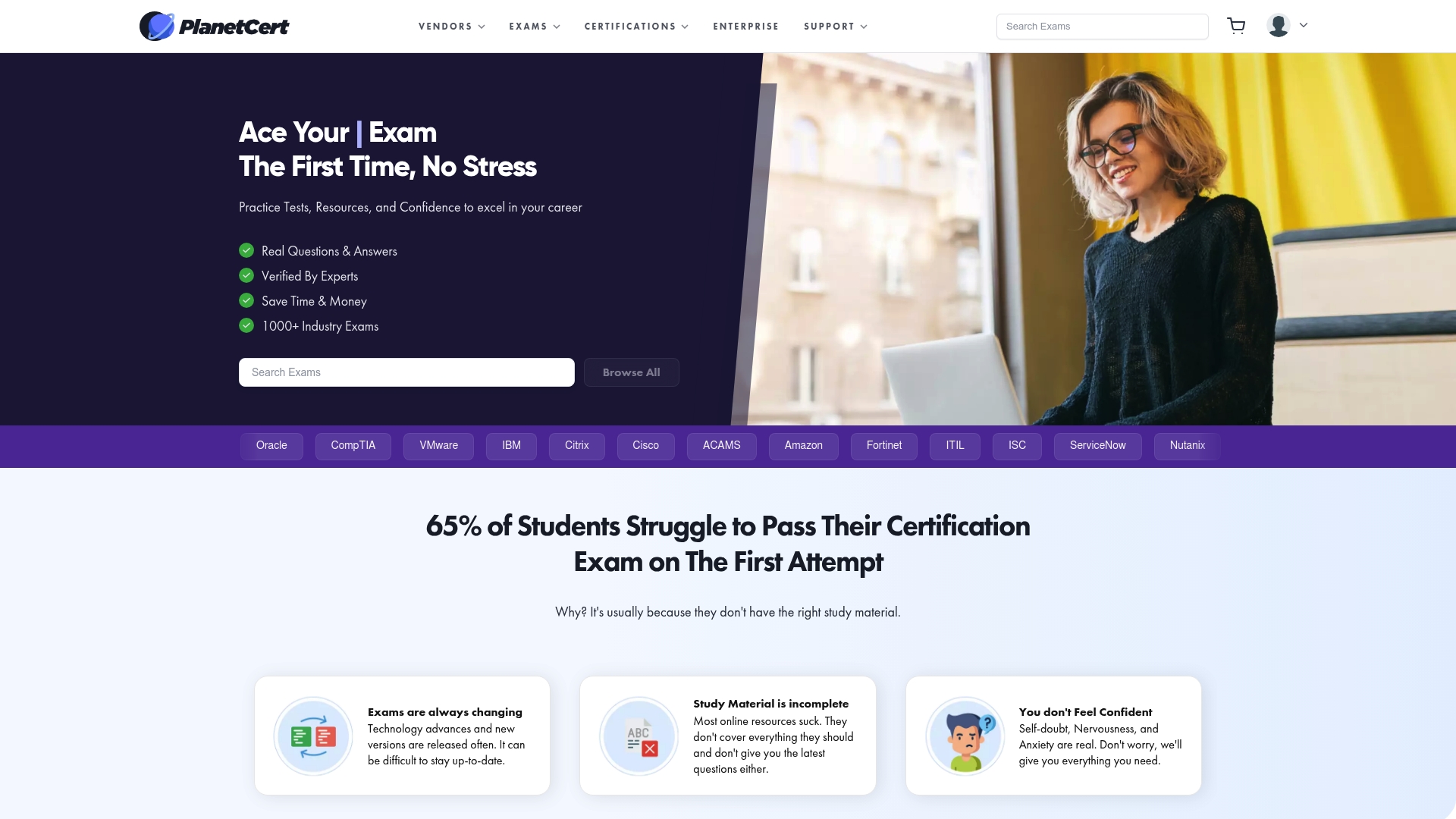
Take control of your CISSP journey and increase your success rate on the first attempt by accessing the large library of up-to-date CISSP practice exams and study guides at PlanetCert.com. Explore our collection of Real Exam Questions, timed test simulators, and performance analytics to track your progress and sharpen your test-taking strategies. Start today and transform your preparation with trusted resources designed for professionals aiming for cybersecurity excellence. Visit PlanetCert.com CISSP Practice Tests and discover how easy it is to master your next certification.
Frequently Asked Questions
How can I create a productive CISSP practice exam environment?
To create a productive CISSP practice exam environment, choose a quiet space free from distractions and equipped with reliable technology. Ensure you have good seating and lighting, and remove all potential interruptions to mimic actual exam conditions.
What types of resources should I use for CISSP practice exams?
Use verified CISSP practice exam resources like official study guides and question banks that align with the exam domains. These resources should provide detailed explanations and interactive tools, helping you to gain a comprehensive understanding of each topic.
How can I simulate real exam conditions during my practice tests?
Simulate real exam conditions by timing your practice tests to match the official 3-hour exam duration and setting up your workspace similarly. Eliminate distractions and use a timer to manage your time effectively while answering questions.
What steps should I take after completing a CISSP practice exam?
After completing a practice exam, analyze your results to identify knowledge gaps and areas that need further study. Create a tracking system to monitor your performance and develop a targeted study plan based on your insights.
How can community engagement improve my CISSP exam preparation?
Engaging with a community of learners can enhance your understanding by providing diverse insights and collaborative problem-solving. Join online forums or study groups to discuss challenging concepts and gain different perspectives on the material.
How should I adjust my study plan based on practice exam performance?
Adjust your study plan by systematically analyzing your performance metrics after each practice test. Allocate more time to weaker areas and continuously reassess your progress to ensure you are focusing on the topics that require improvement.
Recommended
- CISSP ISC Certified Information Systems Secu… Practice Tests
- CISSP-ISSAP ISC Informa… Certification Practice Tests (2026)
- CISSP-ISSEP ISC Information Syste… Practice Questions (2026)
- SSCP ISC System Securit… Certification Practice Tests (2026)
- 7 pasos clave del checklist para examen B2 y aprobar con éxito - Academia Atenea
Discussion
Community Discussion
Sign in to leave a comment and access more free questions.